 Paul
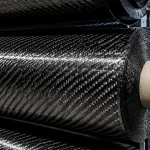
Hours of skilled hands are laminated into every panel.
There is a moment every first-time carbon buyer has: seeing the price of a hood and doing the mental math on the fabric. The fabric costs a fraction of the price. Where does the rest go? The answer is the least glamorous word in manufacturing: labor. Carbon fiber parts are one of the last genuinely hand-built things you can bolt to a car, and understanding the labor explains the price, the quality spread, and the waiting time all at once.
The Material Is Not the Product
Start with the counterintuitive fact: in a quality carbon part, the carbon fabric is often a minority of the cost. Resin, consumables like vacuum film and peel ply, mold maintenance, energy for curing, all of it adds up, but the heavyweight is skilled human time. A complex part can carry twenty, thirty, forty hours of hands-on work. That is not inefficiency. That is the process, and the carbon fiber manufacturing process lays out why so much of it resists automation.
Why Robots Struggle With Fabric
Sheet metal behaves. You stamp it and it obeys. Carbon fabric is a textile. It drapes, shifts, frays, and stretches diagonally. Laying it into a complex mold with the weave aligned, no wrinkles, no bridging over corners, requires eyes and fingertips and judgment that robots still do badly at any price a car part can bear. Formula 1 teams and aerospace giants employ armies of laminators for the same reason your hood does: fabric wants hands.
Compare the economics to metal stamping and the picture sharpens. A stamping press costs a fortune and then stamps a fender every few seconds, amortizing itself into pennies per part. A carbon mold costs serious money too, but every part still requires the full human sequence, layup, bagging, cure, trim, every single time. Metal gets cheaper with volume. Carbon gets only slightly cheaper. That difference is not a market failure; it is the technology’s honest shape.
The Machines That Do Show Up
To be fair, the process is not museum-pure handwork. CNC cutters slice fabric patterns to the millimeter. Resin mixing machines meter chemistry more precisely than any hand. Ovens and autoclaves run programmed cycles with logged temperatures. The modern composite shop is a partnership. Machines handle the measurable, hands handle the drapable. What has not been automated is judgment: the decision that a ply sits right, a corner is clean, a part is worthy. That judgment is what the price actually buys.
Where the Hours Actually Go
- Layup: the big one. Each ply placed, aligned, and smoothed by hand. Complex shapes multiply the time.
- Tooling and mold care: molds are built, polished, repaired, and eventually retired. Every part pays rent on its mold.
- Demolding and trimming: patient work with real consequences. One slip at the trim line ruins forty hours of layup.
- Sanding and finishing: carbon parts are sanded between coats and before clear, often more than once, always by hand.
- Inspection and rework: the honest hours nobody brags about.
The Quality Spread, Explained in Hours
Now the price range makes sense. A budget part saves money by spending fewer hours: faster layup, less vacuum discipline, thinner clear coat, lighter inspection. A premium part spends those hours. The visible difference on day one might be small; the difference at year three is the whole story, because almost everything the hours buy, void-free laminate, correct cure, durable finish, reveals itself slowly. You are not paying for how the part looks. You are paying for how long it keeps looking that way.
Why Lead Times Are What They Are
The labor model also explains the waiting lists. A skilled laminator produces a finite number of parts per week, and training a new one takes months, not days. Demand spikes cannot be answered with a bigger machine, only with more skilled people, and skilled people are the slowest thing to scale in any industry. When a good shop quotes you eight weeks, that is not poor planning. That is the physics of handwork.
The Fair Way to Think About Price
A useful mental model: divide the part’s price by its realistic service life. A well-made hood at a premium price, still glossy and true at year ten, costs less per year than a budget hood that yellows by year three. The expensive part is often the cheaper purchase; it just sends the invoice earlier. Buyers who understand the labor buy once. The rest subscribe. The carbon fiber vs aluminum comparison makes the same point from the material side: the value case only works when the part is built well enough to deliver it.
Next time the price of a carbon part stings, picture the pair of hands that spent a day inside the mold for you, laying down strength one ply at a time. Then decide what that day is worth. That number, not the fabric, not the marketing, is the price.