 Paul
Paul The fuel pump is one of those components that does its job so reliably, for so long, that most drivers never give it a second thought until the car refuses to start. It sits quietly inside or near the fuel tank, moving petrol from the tank to the engine at the precise pressure and volume the system demands. When it begins to fail, the signs are easy to miss or misread. Understanding what to watch for, and why the problem matters, is the kind of knowledge that separates a driver who stays ahead of repairs from one who ends up stranded.
How a Fuel Pump Works
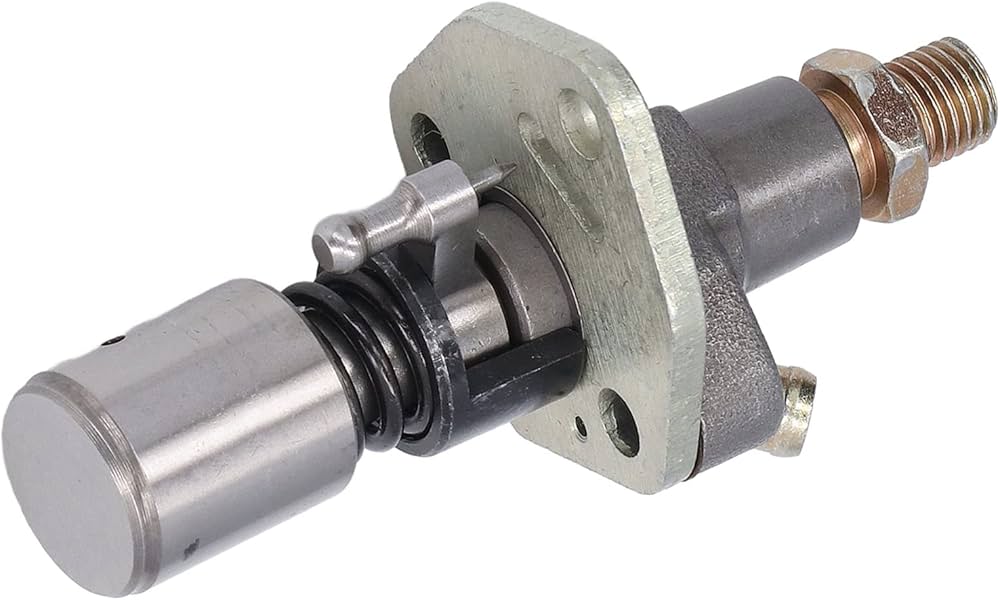
The role of a fuel pump is straightforward in principle and demanding in practice. It draws fuel from the tank and delivers it to the fuel injectors at a consistent pressure, typically between 30 and 80 PSI depending on the engine type. The pump must maintain that pressure across a wide range of driving conditions, from idling in traffic to hard acceleration on the expressway.
Most modern vehicles use an electric fuel pump submerged inside the tank itself. This design keeps the pump cool by surrounding it with fuel, which also means that running your tank consistently low accelerates wear. In Singapore’s climate, where vehicles spend considerable time idling in traffic and the heat is persistent year-round, the strain on a petrol pump is not trivial.
Warning Signs of a Failing Fuel Pump
A pump rarely fails without giving some notice. The problem is that many of its warning signs resemble other faults, which is why careful observation matters.
Symptoms Worth Taking Seriously
- A high-pitched whining or whirring sound from the rear of the vehicle, particularly noticeable when the engine is cold or the tank is nearly empty
- Difficulty starting the engine, especially after the car has been sitting overnight
- Engine sputtering or surging at high speeds, as the pump struggles to maintain consistent pressure
- Loss of power when climbing gradients or carrying heavy loads
- Sudden stalling followed by the engine restarting normally after a short wait
- A significant and unexplained drop in fuel efficiency
In Singapore, where daily commutes often involve extended periods at low speed in congested conditions, drivers may initially attribute these symptoms to the heat or traffic. A fuel pump under stress, however, will not improve on its own. The symptoms tend to worsen progressively and eventually become impossible to ignore.
Diagnosing the Problem
Proper diagnosis matters before any part is replaced. A mechanic will typically use a fuel pressure gauge connected to the fuel rail to measure whether the pump is delivering the correct pressure. A reading below specification confirms the pump is underperforming. The test also checks whether pressure holds after the engine is switched off, which reveals whether the pump’s check valve is sealing correctly.
An OBD-II scanner may flag codes related to fuel system lean conditions, such as P0087, which points to insufficient fuel pressure reaching the injectors. These codes alone do not confirm a failed fuel pump, since a clogged fuel filter can produce the same readings, but they direct the investigation in the right direction.
It is worth noting that in Singapore, where many vehicles are well into their second half of a ten-year COE cycle, fuel pump problems are relatively common among higher-mileage cars. Routine checks during scheduled servicing are a sensible precaution.
Replacement: What the Process Involves
Replacing a fuel pump is a more involved job than swapping a spark plug or a coil, but it is well within the scope of a competent workshop. On most vehicles, the process requires either dropping the fuel tank or accessing the pump through a service panel under the rear seat.
What to Keep in Mind
- Always replace the fuel filter at the same time as the fuel pump, since a blocked filter is often what caused the pump to overwork and fail in the first place
- Use a pump that meets or exceeds the original equipment specification for flow rate and pressure
- In Singapore, aftermarket fuel pump units vary significantly in quality; sourcing from a reputable supplier matters more than finding the lowest price
- Ensure the fuel strainer attached to the pump inlet is also replaced, as it is inexpensive and plays a direct role in protecting the new unit
- After installation, a pressure test should confirm the system is operating within specification before the vehicle is returned to service
Extending the Life of Your Fuel Pump
Prevention is far more cost-effective than replacement. A few consistent habits can meaningfully extend the working life of a petrol pump.
Keeping the fuel tank above a quarter full is one of the simplest and most effective steps. The pump relies on the surrounding fuel for cooling and lubrication. Running low repeatedly raises operating temperatures and increases wear on the pump’s internal components.
Using quality fuel also matters. Singapore’s fuel supply is generally reliable, but consistently choosing reputable filling stations reduces the risk of contaminated fuel reaching the pump. Sediment and water in the tank are among the leading causes of premature fuel pump failure.
Final Thoughts
A well-functioning fuel pump is not something most drivers think about, which is precisely why it deserves a place in your regular maintenance routine. The warning signs are there if you know what to look for, and the cost of addressing a failing pump early is considerably lower than dealing with a complete breakdown at the roadside. Whether your vehicle is one year old or approaching the end of its COE, staying alert to how your engine behaves under different conditions is the most reliable way to catch a struggling fuel pump before it lets you down entirely.